
Ryu Murakami Dies at 74: Which Books to Read First, and How He Differs from Haruki
Ryu Murakami, the Japanese novelist and film director, died at home on 17 October 2026, aged 74. His publisher Gentosha announced it on 23 October 2026. If you've never read him, start with In the Miso Soup. It's short and frightening, and nothing else introduces his work as well.
Table of Contents
Ryu Murakami: the key facts
- Born: 19 February 1952 in Sasebo, Nagasaki, as Ryūnosuke Murakami.
- Died: 17 October 2026, at home, aged 74. The official Gentosha notice was signed jointly by his office and Gentosha's editorial division, and the full text is on Gentosha's X account. The cause was not disclosed.
- Funeral: the family has already held a private service. They have declined flowers, money and condolence visits, and asked the media not to contact relatives.
- Debut novel: Almost Transparent Blue (1976). He wrote it while still a student. It won the Akutagawa Prize and sold about 3.5 million copies.
- Last novel: Youtuber (2023). He wrote more than 40 novels in all.
He's not related to Haruki Murakami
Haruki Murakami and Ryu Murakami aren't related, and Haruki Murakami is alive. The surname is the only thing they share. Haruki writes dreamy, lonely, surreal books (I reviewed his Men Without Women here). Ryu wrote blunt, violent, neon-lit books about drugs, sex work, abandoned children and Japan's underside. If Haruki feels like a late-night jazz bar, Ryu feels like the alley behind it.
Ryu Murakami books: where to start
In the Miso Soup (1997)
A young Tokyo nightlife guide spends three nights before New Year showing an American tourist around Kabukicho, and slowly realises this man is dangerous. It’s short and reads like a thriller, and it won the Yomiuri Prize. If you only read one Murakami, make it this one.
Content warnings: graphic murder, extreme violence, sex work.
69 (1987)
The gentle way in. It’s a funny, semi-autobiographical story about rebellious teenagers in 1969 Sasebo, and by far his lightest book. Read it if you want to see what he’s like without the horror.
Content warnings: mild, teenage rebellion, some sexual content.
Coin Locker Babies (1980)
His big, wild novel. Two boys abandoned in station coin lockers as newborns grow up angry. The book follows them through a decaying future Tokyo. Hideo Kojima has called it his bible, and it won the Noma Prize for New Writers. It’s sprawling and sometimes exhausting, but I think it’s his best book.
Content warnings: child abandonment, abuse, drug use, graphic violence.
Audition (1997)
A widower holds fake film auditions so he can find a new wife. Most people know Takashi Miike’s 1999 film, which is a cult horror classic, but the novel is a slower burn. For most of its length it’s an awkward, almost tender story of loneliness, and that’s exactly why the final stretch hits so hard. Don’t go in expecting the horror from page one.
Content warnings: torture, mutilation, past child abuse.
Almost Transparent Blue (1976)
Read this one for its place in history more than for enjoyment. It’s a plotless, hazy story of young people near a US airbase. It won the Akutagawa Prize and made him a sensation at 24. It’s the book that started everything, but it’s the least welcoming place to begin.
Content warnings: heavy drug use, explicit sex, sexual violence.
Squeamish? Try 69 (1987) instead. It's a funny, semi-autobiographical story, and it's by far his lightest book.
Films, TV and what comes next
He directed adaptations of his own books, including Almost Transparent Blue (1979) and Topaz, released as Tokyo Decadence (1992). For around 20 years, from April 2006, he also hosted TV Tokyo's business interview show Cambrian Palace. TV Tokyo announced in January 2026 that new hosts would take over from April 2026.
A note for readers in Belarus: five of his books, including Coin Locker Babies and Almost Transparent Blue, were added to the country's banned list in 2025, according to Smartpress.
Which English translations you can buy varies from country to country, so check your local Kindle store. To track what you read, browse his books on Goodreads or try one of these Goodreads alternatives.
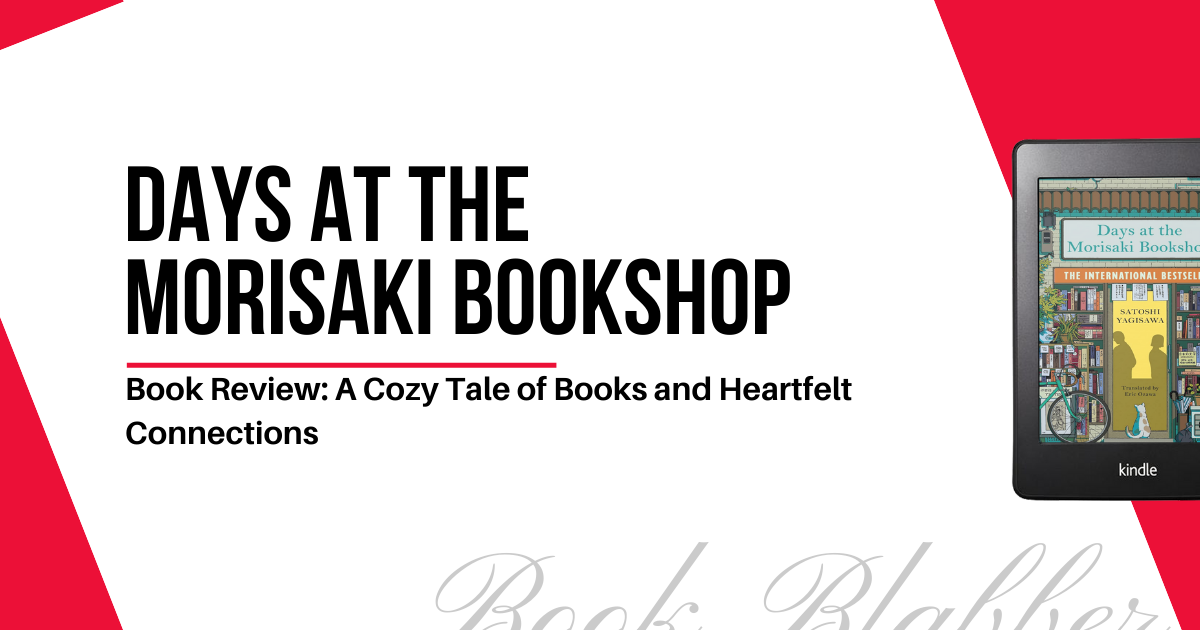
If you need something gentle and Japanese afterwards, Days at the Morisaki Bookshop works well.
Have you read any Ryu Murakami? Tell me which book stayed with you, and find more frank recommendations on Book Blabber. Happy (brave) reading!
FAQs about Ryu Murakami
When did Ryu Murakami die, and what was the cause?
Ryu Murakami died at home on 17 October 2026, aged 74. His publisher, Gentosha, announced his death on 23 October 2026 in a notice signed jointly by his office. No cause of death was given. The family held a private funeral and asked the media not to contact relatives.
Is Ryu Murakami related to Haruki Murakami?
No. Their surname is a coincidence and the two writers aren't related. Haruki Murakami was born in 1949 and is alive. His novels are dreamy and surreal. Ryu Murakami, born in 1952, wrote much darker, more violent books about Japan's underside.
Which Ryu Murakami book should I read first?
I suggest In the Miso Soup. It's short, it moves like a thriller, and it shows his style clearly. Coin Locker Babies is the deeper, longer next step. If you'd like something gentler, try 69, his funny semi-autobiographical novel about rebellious teenagers in 1969. There's no official reading order.
What was Ryu Murakami's last book?
His last novel was Youtuber, published in 2023. He wrote more than 40 novels over a career that began in 1976, when his debut Almost Transparent Blue won the Akutagawa Prize and sold about 3.5 million copies.
Which films are based on Ryu Murakami's books?
The best known is Takashi Miike's horror film Audition (1999), based on his novel. Murakami also directed adaptations of his own work, including Almost Transparent Blue (1979), Topaz, released as Tokyo Decadence (1992), and Kyoko. His novel 69 was adapted for film as well.
Liked the article?
Join Book Blabbers WhatsApp group to bond over books, memes and quotes.
Subscribe to Book Blabber's Bulletin to get book summaries, reading tips and occasional hugs in your inbox.

Comments