
The Author Journey: Walter D. Woods on Writing, Challenges and Processes
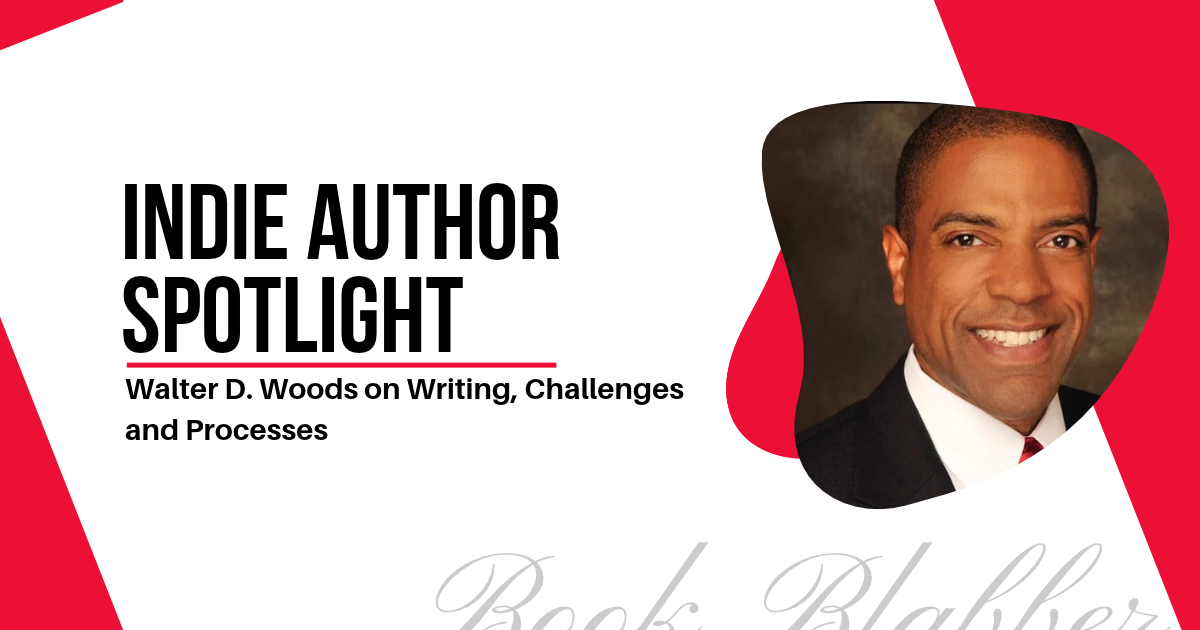
Every book has a story behind the story. Today, I’m sitting down with author and leader Walter D. Woods, who wrote The YES Leader. We’re exploring the mindset, experiences and philosophy behind his work, offering a behind-the-scenes look at the journey of bringing an impactful book to life.
We talk about the inspiration, the writing process, and the journey of bringing this book to life. From his biggest challenges to his proudest moments – this interview is packed with insights for readers and aspiring writers alike!
Let’s dive in.
1. Tell us a little about yourself.
I’m a nature kid at heart. I love everything about the outdoors – from forest bathing and downhill skiing to horseback trekking and exploring the wonders of our planet. Nature has shaped how I lead: it teaches me to stay curious, embrace change, remain grounded, and understand that growth rarely happens without challenge.
Like nature, leadership requires resilience, adaptability, patience, and the courage to venture into uncharted territory. I find inspiration in both – always exploring, always learning, and always growing.
My book, The YES Leader, is about that courage in leadership. It’s about choosing courage over performative leadership. It’s also about building the mindset shift that allows you to lead with alignment instead of seeking approval.
2. Okay, pitch your book in one or two sentences.
The YES Leader challenges us to rethink leadership, courage, and possibility in a world too often defined by limitations, fear, and rejection. Through personal stories and hard-earned leadership lessons, it inspires readers to challenge the expected, embrace possibility, and learn that saying YES to yourself should be a lifelong practice.
3. And what kind of readers would love this book?
This book is for aspiring and established leaders, entrepreneurs, changemakers, and anyone navigating personal or professional reinvention. It’ll especially resonate with people who have been underestimated, overlooked, or told NO – and are ready to embrace their potential, challenge limitations, and say YES to themselves.
4. Now, let’s get a little personal. What’s the story behind this book?
The inspiration for The YES Leader came from an unexpected conversation over lunch with a dear friend. During our conversation, she casually remarked that I’d never be able to run a foundation because I had never led one before.
Her comment stayed with me – not because I accepted it, but because it reminded me how easily we allow others to define our potential. Just 90 days later, after serving in another role I had been hired to fill, I found myself leading a multi-million-dollar faith-based foundation. That experience became a powerful reminder that someone else's NO doesn't have to become your reality. The book is about courage, possibility, and learning to say YES to yourself.
5. That’s awesome! Any specific moment or a lesson from the book that’s close to your heart?
One lesson especially close to my heart is that it’s never too late to pursue a childhood dream or reinvent what’s possible for your life. Dreams don't come with expiration dates, and our potential isn't diminished by timing or someone else's expectations. Sometimes the most courageous YES we can say is to the little boy or girl inside us who never stopped dreaming.
6. May I ask what that childhood dream was?
My childhood dream was to make a meaningful difference in the lives of others. Even before I had the language for leadership, philanthropy, or service, I knew I wanted my life to matter beyond myself. I wanted to be someone who opened doors, encouraged others to see possibilities they might not see in themselves, and helped people believe they could achieve more than their circumstances suggested.
Looking back, I realize that the little boy's dream was less about a particular job or title and more about purpose. The YES Leader is, in many ways, the story of how I learned that the first person I needed to inspire was myself – and that saying YES to my own potential would allow me to inspire others to do the same.
7. And what’s one weird or unexpected thing you Googled while writing this book?
One unexpected discovery was learning more about the word Nepantla. I had heard and used the word before, but I had never explored its cultural roots in the Nahuatl language of the Aztec people. Historically, it described the experience of living between two worlds, particularly during the Spanish conquest of Mexico, when Indigenous people were navigating profound cultural and societal change.
8. While researching or writing, did you come across something that completely changed the way you think about the topic?
Discovering the deeper meaning of the word Nepantla changed how I think about leadership. I began to see leadership less as having all the answers or directing people toward a predetermined destination and more as creating the conditions for people to navigate uncertainty, embrace differences, and discover new possibilities.
It reinforced my belief that some of our greatest opportunities for growth and transformation exist in the in-between. Leadership, like life, is not simply about where we are going; it is also about who we become along the way.
9. True. What part of writing this book was the hardest?
The hardest part for me is actually what I'm experiencing now: marketing the book and building awareness in a way that captures its message and inspires people to want to read it. Writing the book was a personal journey; now comes the challenge of getting its message into the hands and hearts of the people who need it.
10. Anything you want to say to fellow authors?
My encouragement to fellow authors is simple: Don't wait for permission to tell your story. Your experiences, lessons, failures, victories, and even the chapters you once thought were too personal may be exactly what someone else needs to hear.
Write with purpose, but don't become so consumed with making your book perfect that you never allow it to become real. Be authentic. Trust your voice. And remember that your story doesn't have to be extraordinary to have an extraordinary impact.
Think beyond the book launch. A book isn't simply a product; it's a platform, a conversation, and an opportunity to build relationships. Start sharing your message before publication, identify the audiences who need to hear it, and look for opportunities through podcasts, speaking engagements, articles, book clubs, and meaningful partnerships.
Most importantly, don't measure the success of your book solely by sales. Measure it by the conversations it starts, the perspectives it changes, and the people it inspires to take action.
My philosophy is this:
“Write the book. Share the message. Then live the message. And if your book inspires even one person to believe differently about what is possible for their life, you've already made a difference.”
11. If a reader could take away just one idea or insight from this book, what would you want it to be?
Never let someone else define your potential.
You have more possibilities within you than the world may lead you to believe. Don't allow fear, rejection, institutional barriers, or someone else's limited vision to determine what you can become. Learn to say YES to yourself – not as a one-time declaration, but as a daily practice. Because sometimes the most important YES you will ever give is the one you give yourself.
12. Ohkayzz, and where can readers find you and your book?
Readers can connect with me on LinkedIn and Facebook.
The YES Leader is available to buy on Amazon.
If the book sounds like your kind of read, be sure to check it out! Support indie authors by grabbing a copy and leaving a review!
PS… What’s your go-to writing snack or ritual?
My go-to writing ritual is to find a quiet space, step away from the noise of the world, and let my thoughts breathe. I don't force the words; I give them room to find me. Sometimes that means taking a walk in nature, reflecting on an experience, or simply sitting with an idea until it becomes a story worth telling.
I believe the best writing comes from living, observing, questioning, and being curious. I write best when I stop trying to find the perfect words and start trusting the story I have to tell.
And that’s a wrap.
Want to see more indie author stories? Stay tuned for more interviews…
Keep reading
An Easy Way to Make Author Links Page Without Linktree (Carrd + Alternatives)
Indie authors have a lot of online presence to manage. Amazon pages, Goodreads profile, social media accounts, and a dozen other stores and links. Keeping track of everything…
Writing, Publishing and Lessons Learned – A Chat with Shweta
Writing a book is one thing. Bringing it to life and sharing it with the world? That’s a whole different adventure! Shweta, the author of Numbers Don't Add…
Sam Evans Talks About In the Woods Somewhere Book and the Magic of Indie Publishing
Sam Evans has crafted an incredible story with In the Woods Somewhere, and today, she’s here to share her journey! From the inspiration behind the book to the…

Comments